
5G Ready: How AMPCOM Fiber Cables Support Next-Gen Mobile Infrastructure
Published:The 5G Infrastructure Revolution Demands Advanced Fiber Solutions
The global transition to 5G represents more than just incremental improvements in mobile speed. It necessitates a fundamental architectural transformation of cellular networks, placing unprecedented demands on physical infrastructure. While public attention often focuses on radio technology and spectrum allocation, the fiber optic cables forming the backbone of these networks are equally critical to their success.
"5G's full potential cannot be realized without substantial fiber deployment closer to end users. We're seeing a 10x to 100x increase in fiber density requirements compared to 4G macro-cell deployments." – Fiber Broadband Association, 2023 Network Infrastructure Report
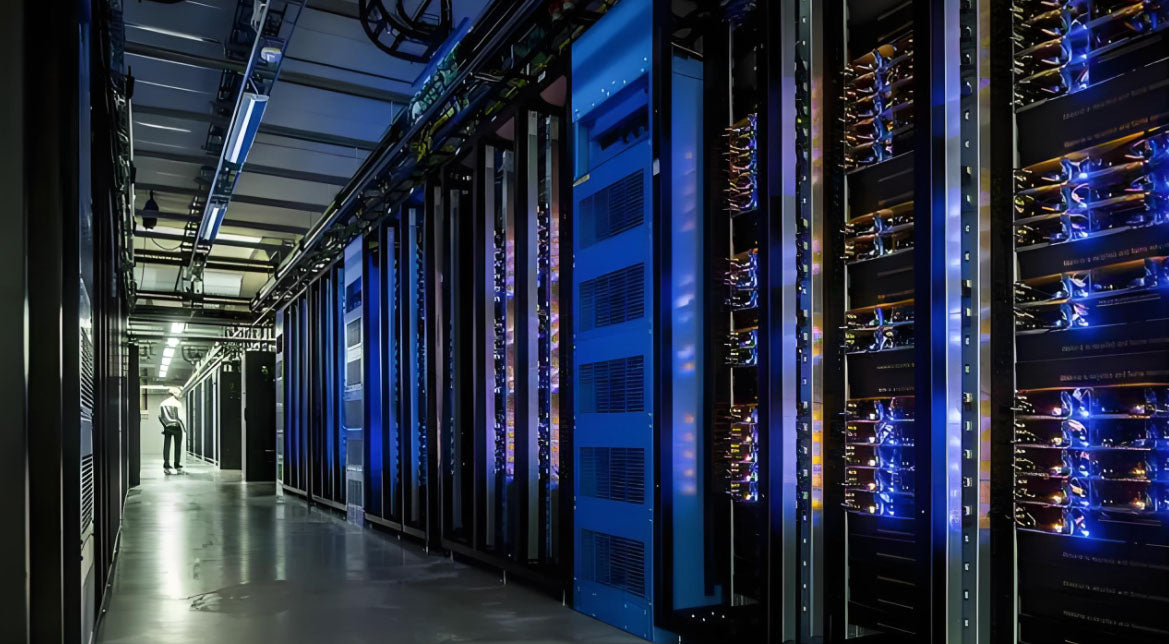
Figure 1: 5G small cell deployment requiring dense fiber backhaul infrastructure
Understanding the 5G Backhaul Challenge
5G networks utilize both sub-6 GHz and millimeter-wave (mmWave) frequency bands. While mmWave enables remarkable throughput speeds exceeding 1 Gbps, its signals have limited propagation distance—typically 200-300 meters in urban environments—and are easily obstructed by buildings, foliage, and even weather conditions.
This physical limitation drives the need for network densification through widespread deployment of small cells. These compact base stations are mounted on streetlights, building façades, utility poles, and other urban structures, creating what industry analysts term "the fiber deep" paradigm where fiber must reach virtually every city block.
The Small Cell Imperative
According to Deloitte's 2023 telecommunications infrastructure analysis, a comprehensive 5G small cell network may require 5 to 10 small cells per square kilometer in dense urban areas, each requiring dedicated fiber connectivity. This represents an order-of-magnitude increase over traditional macro-cell deployments.
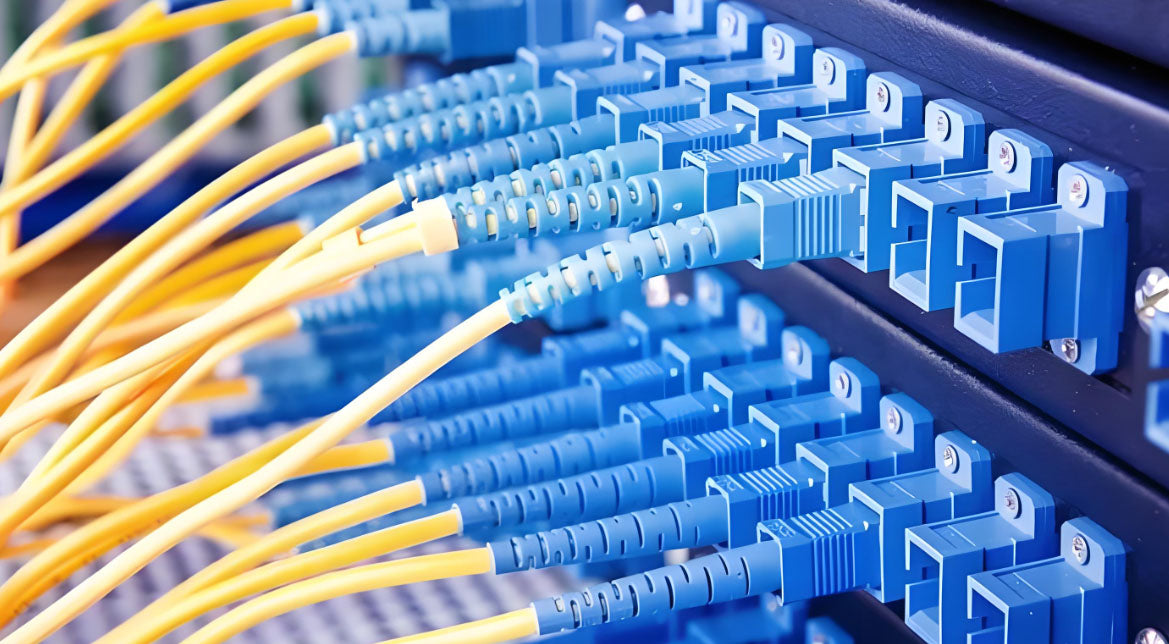
Figure 2: High-density fiber deployment in urban environments for 5G backhaul
AMPCOM's Engineering Response to Environmental Challenges
Outdoor 5G deployments expose fiber cables to significantly harsher conditions than traditional data center or enterprise environments. AMPCOM addresses these challenges through multiple engineering approaches validated by telecommunications industry standards.
Enhanced Durability for Extreme Conditions
Our outdoor-rated fiber cables incorporate corrosion-resistant strengthening elements, typically using 316L stainless steel or dielectric aramid yarn, which resist degradation from moisture, salt spray, and chemical exposure. These materials meet Telcordia GR-20-CORE requirements for outside plant telecommunications cable.
The outer jacket utilizes UV-stabilized polyethene or polyurethane compounds that withstand prolonged direct sunlight exposure without becoming brittle or cracking. Accelerated weathering tests demonstrate 25-year lifespans under typical environmental conditions.
"Temperature cycling from -40°C to +70°C represents one of the most demanding environmental tests for outdoor fiber cables. Proper material selection and construction are essential to prevent signal degradation and physical failure." – IEC 60794-1-22 Environmental Testing Standard
Optimized Design for High-Density Deployments
Deployment speed directly impacts the economic viability of 5G networks. AMPCOM cables support rapid installation through several design innovations.
Pre-connectorized Solutions for Rapid Deployment
Factory-terminated cables with ruggedized LC, SC, or MPO connectors eliminate field splicing, enabling true plug-and-play installation. A 2022 VDC Research study on telecommunications infrastructure found that pre-connectorized solutions reduce installation time per node by 60-75% while improving connection consistency.
Our bend-insensitive fiber designs, compliant with ITU-T G.657.A1/A2 standards, allow tighter bending without increased signal loss—critical for compact small cell enclosures and crowded conduits. This technology enables minimum bend radii as low as 5mm compared to the 15-30mm required by standard single-mode fiber.
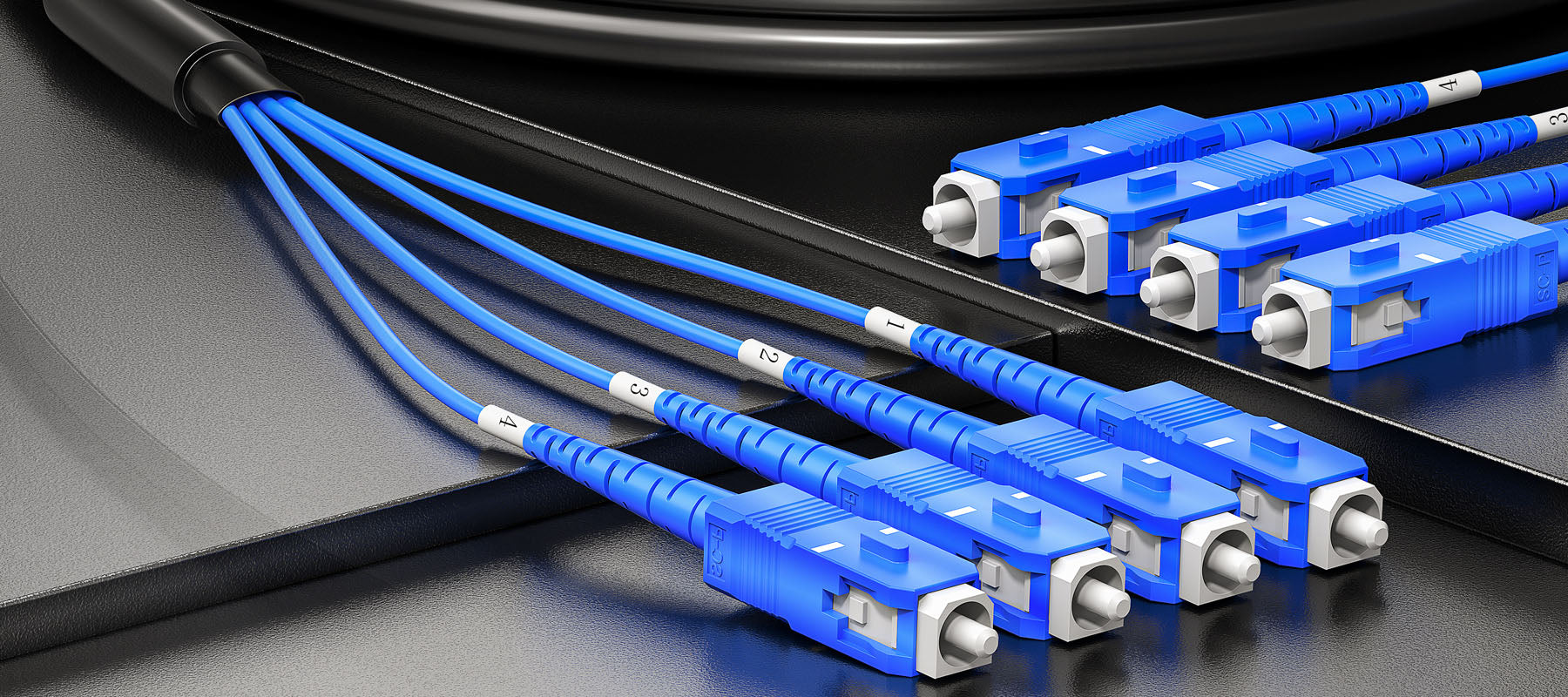
Figure 3: Precision factory termination ensures consistent connector performance
Ensuring Uncompromised Signal Integrity
Network performance ultimately depends on signal clarity from end to end. Our manufacturing process emphasizes several critical parameters verified through FLUKE-8000 certification testing.
Precision Manufacturing for Consistent Performance
We maintain tight control over fiber geometry (core diameter, cladding diameter, concentricity) to ensure consistently low attenuation across all production batches. Typical values meet or exceed ITU-T G.652.D specifications for standard single-mode fiber, with attenuation below 0.36 dB/km at 1310nm and 0.22 dB/km at 1550nm.
Connector end-faces are polished to IEC 61755-3 standards for precise geometry (radius of curvature, apex offset), ensuring low reflectance (<-55 dB) and stable mechanical contact. This precision reduces contamination susceptibility—particularly important for outdoor connections exposed to environmental particulates.
Beyond 5G: Preparing for Network Evolution
The infrastructure deployed today must support not only current 5G requirements but also future network advancements already on the horizon.
Support for Advanced Network Architectures
Emerging centralized RAN (C-RAN) and Open RAN architectures require high-capacity fronthaul networks with strict latency requirements. Our cables support the CPRI (Common Public Radio Interface) and eCPRI (enhanced CPRI) protocols with appropriate attenuation budgets for distances up to 20km.
Low-PMD (Polarization Mode Dispersion) fiber options are available for applications requiring coherent transmission technology, which may be deployed deeper into the network as capacity demands increase. This forward-looking design ensures infrastructure relevance through multiple technology generations.
"Network operators planning for 5G Advanced and early 6G deployments should consider fiber specifications that exceed current minimum requirements. The marginal additional investment pays dividends in future upgrade flexibility." – 5G Americas White Paper on Fiber Infrastructure, 2023

Figure 4: Evolving network architectures require flexible, high-capacity fiber infrastructure
The Tangible Impact: Reliability and Operational Economics
For network operators, infrastructure decisions directly impact both capital expenditures (CAPEX) and operational expenditures (OPEX). AMPCOM's engineering approach delivers measurable financial benefits throughout the deployment lifecycle.
Reducing Total Cost of Ownership
Durable construction and rigorous testing minimize field failures and associated maintenance visits. Industry data suggests that each field service call for fiber repair in urban environments costs between $1,200 and $2,500 when accounting for labor, equipment, and service disruption.
Clear, standardized color coding following TIA-598-C recommendations simplifies both initial installation and subsequent maintenance operations, reducing human error and associated rework. Pre-connectorized solutions eliminate the need for expensive fusion splicing equipment and specialized technician training at deployment sites.
Conclusion: Building Foundations for Next-Generation Networks
The realization of 5G's transformative potential—and the foundation for future 6G networks—depends fundamentally on robust, reliable, and scalable fiber infrastructure. These systems require cables engineered not as passive components but as active, performance-guaranteed elements of the network architecture.
Through focused attention to environmental resilience, deployment efficiency, and uncompromised signal integrity, AMPCOM provides the physical layer confidence that mobile network operators require. Our solutions enable the construction of dense, high-performance networks that deliver not only on today's 5G promises but also provide a scalable foundation for tomorrow's mobile technology evolution.
"The difference between adequate and exceptional fiber infrastructure becomes apparent not during installation, but years later during network expansion and technology transitions. Strategic investment in quality physical layer components pays continuous dividends throughout the infrastructure lifecycle." – Telecommunications Infrastructure Analyst Report, 2024


