
Ethernet Over Copper: When It Still Makes Sense in 2026
Published:Executive Summary: Reports of copper's death are exaggerated — it is being re-scoped. The global copper cabling systems market is projected to grow from $18-20 billion in 2025 to $30-35 billion by 2035 (5-7% CAGR), and higher-performance categories now drive the shift: Cat6a and Cat8 account for 45-55% of structured cabling revenue as enterprises standardize on 10GBASE-T, PoE++, and multi-gigabit uplinks. Copper still wins wherever power delivery, short reach, or per-drop cost matter — PoE endpoints, Wi-Fi 7 access points, workstations, and same-rack data center links via DAC. Fiber owns the backbone, the long run, and the AI fabric. This guide maps exactly where ethernet over copper still makes sense in 2026, category by category and segment by segment.
Quick Navigation
- 1 The Copper Comeback: 2026 Market Reality
- 2 Copper's Sweet Spots: PoE, Short Reach, and Terminals
- 3 The Copper Categories That Matter in 2026
- 4 Multi-Gig: Why 2.5G/5G BASE-T Keeps Copper Relevant
- 5 DAC: Copper's Last Stand in the Data Center
- 6 Where Fiber Takes Over
- 7 Decision Framework: Copper or Fiber per Segment
- 8 Key Questions (FAQ)
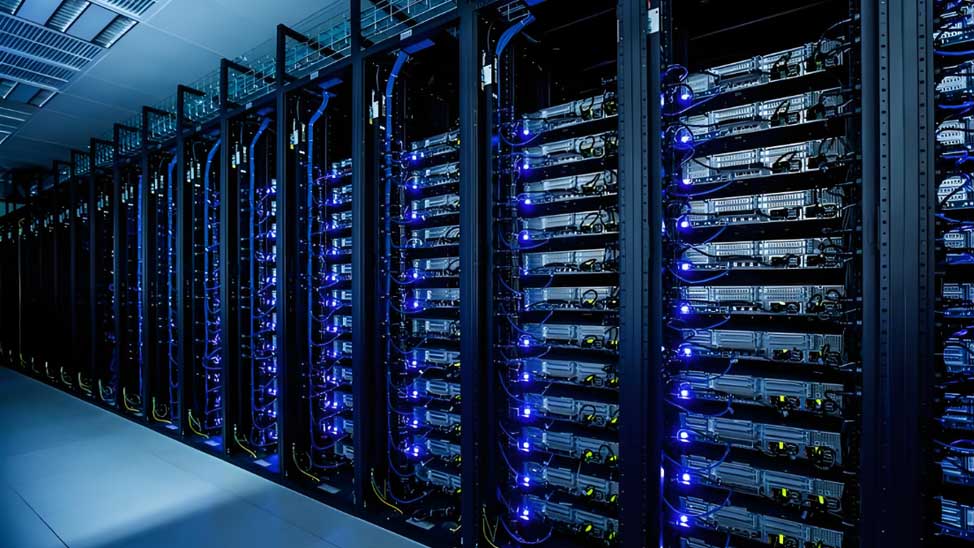
In 2026, copper is the local street of the network: PoE power, terminal drops, and same-rack speed — while fiber is the highway
1. The Copper Comeback: 2026 Market Reality
The market data contradicts the "all-fiber" narrative. The global copper cabling systems market is forecast to grow from an estimated $18-20 billion in 2025 to $30-35 billion by 2035, a 5-7% CAGR driven by hyperscale data center buildout, industrial automation, and intelligent building retrofits. Demand is structurally shifting toward higher-performance categories: Cat6a and Cat8 shielded systems now account for 45-55% of structured cabling revenue globally, and are projected to capture over 60% by 2030 as 25GBASE-T and 40GBASE-T reach top-of-rack links.
In the gigabit Ethernet cable market specifically, Cat6 still led 2025 revenue at 46.5% ($2.88 billion), with Cat6a at 25.6% and Cat5e at 19.9% — proof that copper demand is not shrinking, it is upgrading. Two forces drive the upgrade: PoE++ (90W) is pushing Cat6a and above into smart building and security deployments, and Wi-Fi 7 access points need 2.5G/5G multi-gigabit uplinks that legacy Cat5e links cannot guarantee. The 2026 industry consensus is blunt: Cat6a is the new minimum for enterprise horizontal cabling. For the full category landscape, see our Cat5e to Cat8 categories guide and our Cat6 vs Cat6a vs Cat7 vs Cat8 upgrade analysis.
2. Copper's Sweet Spots: PoE, Short Reach, and Terminals
Copper's durable advantages are not speed — fiber wins that — but the three things fiber physically cannot do cheaply: deliver power, terminate cheaply, and operate at 100 meters with commodity electronics.
- PoE power delivery: One Cat6a drop carries data plus up to 90W (802.3bt PoE++) to IP cameras, Wi-Fi access points, VoIP phones, lighting, and access control. Fiber carries zero watts. For smart buildings and security systems, this single capability keeps copper indispensable — PoE usage is expanding from phones and cameras into lighting control and occupancy sensing across 2026
- Per-drop economics: A Cat6a drop installs for roughly $200-$400 versus $300-$800 for fiber, with termination and testing that any low-voltage contractor can perform — no fusion splicer, no OTDR
- Short-reach performance: Within 100 meters, modern copper handles 2.5G, 5G, and 10G (Cat6a) — enough for workstations, APs, cameras, and most office traffic
- Simplicity: Copper is familiar to every installer and integrator; changes, moves, and adds use commodity tools
For PoE-driven designs, cable gauge and heat management are decisive — see our 802.3bt cabling and heat best practices guide, our 23 AWG vs 24 AWG PoE long-run analysis, and our shielded cable requirements for PoE++.

One Cat6a drop delivers data plus up to 90W of PoE++ — the capability fiber cannot replicate
3. The Copper Categories That Matter in 2026
Not all copper is created equal, and 2026 deployment choices cluster around four categories.
| Category | Specification | 2026 Role |
|---|---|---|
| Cat6a (F/UTP or U/UTP) | 500 MHz; 10GBASE-T to 100 m; PoE++ up to 90W | The new enterprise baseline — Wi-Fi 7 AP uplinks, PoE endpoints, 10G headroom |
| Cat8 (S/FTP) | 2 GHz; 25GBASE-T/40GBASE-T to 30 m; shielded | Data center top-of-rack and short high-speed links where DAC form factors don't fit |
| 28 AWG slim patch cords | Cat6a performance in half the diameter | High-density racks and airflow management; watch thermal limits under PoE++ |
| Single Pair Ethernet (SPE) | 10BASE-T1L/SPE; data + power on one pair | Emerging industrial and IoT sensor networks; lower cost and weight per drop |
The shift to higher categories is already visible in revenue data — Cat6a plus Cat8 represent 45-55% of structured cabling revenue and are on track to exceed 60% by 2030. For slim-cable trade-offs in dense environments, see our 28 AWG slim patch cord thermal analysis and our ultra-slim Cat6a space efficiency guide.
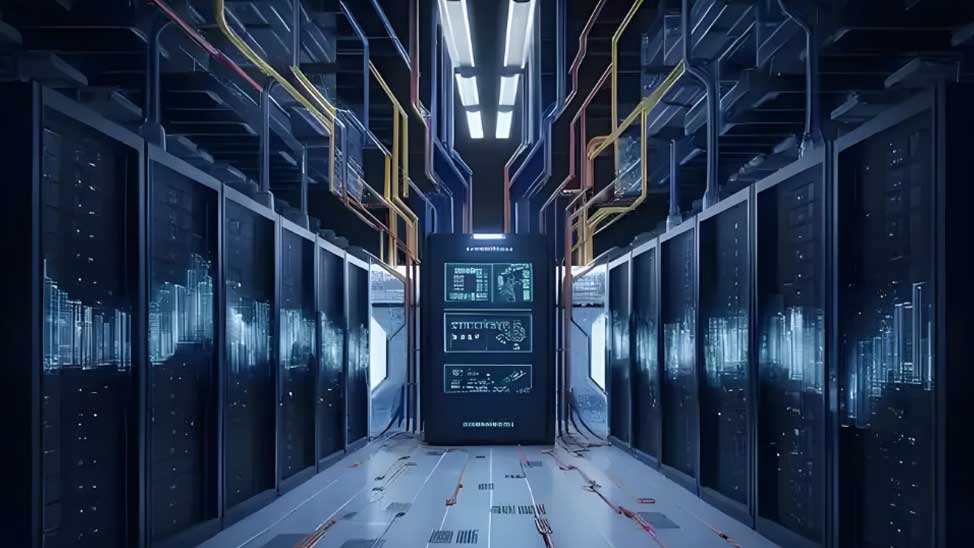
Cat6a is the 2026 enterprise baseline; Cat8 and DAC serve short high-speed data center links
4. Multi-Gig: Why 2.5G/5G BASE-T Keeps Copper Relevant
The most underrated copper story of 2026 is multi-gigabit Ethernet. IEEE 802.3bz (2.5G BASE-T and 5G BASE-T) was designed for exactly the situation the industry is in: Wi-Fi 7 access points that can exceed 1 Gbps, and existing Cat5e/Cat6 cabling that enterprises do not want to replace. 2.5G BASE-T runs over Cat5e to the full 100 meters; 5G BASE-T runs over Cat6 to 100 meters. This means a Wi-Fi 7 rollout does not require re-cabling — it requires new access switches with multi-gig ports and, ideally, Cat6a for headroom.
Multi-gig also rescues aging copper infrastructure. A company with Cat5e already pulled to every desk can upgrade access switches to 2.5G ports and deliver 2.5G to endpoints immediately — extending the life of the copper plant by 5-10 years at a fraction of re-cabling cost. For the real-world limits and upgrade paths, see our 2.5G/5G over Cat5e/Cat6 real-world limits guide, our multi-gig upgrade checklist, and our 2.5G managed switch solutions guide.
5. DAC: Copper's Last Stand in the Data Center
Inside the data center rack, copper survives in the form of DAC (direct attach copper) — twinax cables with transceivers permanently attached at both ends. DAC is the cheapest, lowest-latency, lowest-power interconnect available: typically 1-5W per end, versus 8-15W for optical modules, at a fraction of the cost. At 100G-400G, DAC covers 1-3 meters — enough for switch-to-server links within the same rack — while passive DAC reaches 5 meters at lower rates and active DAC extends reach.
The line between copper and fiber in the data center is therefore simple: copper DAC inside the rack, fiber across the row. Spine-leaf fabrics, cross-rack trunks, and AI cluster backbones run on fiber (with AOC for longer active optical links), while top-of-rack switch-to-server connectivity stays on DAC for cost and latency reasons. BSRIA's 2026 data even shows Chinese AI data centers using DAC for 90-95% of connections for cost and lead-time advantages. For the full DAC vs AOC decision, see our AOC vs DAC buyer's guide, our DAC types, latency, and use cases, and our when short runs choose DAC analysis.
6. Where Fiber Takes Over
Copper's 2026 territory is defined as much by what it is not. Fiber takes over every segment where copper hits a physical or economic ceiling:
- Distance: Anything beyond 100 meters — inter-floor, inter-building, campus backbones — belongs to fiber (OM4 multimode to 550 m; OS2 single-mode for kilometers)
- Speed and density: 800G and 1.6T Ethernet, AI cluster fabrics, and spine-leaf cores have no copper option; AI clusters now require 10x+ more fiber than traditional builds
- EMI environments: Industrial floors, elevator shafts, and power corridors where copper would need expensive shielding
- Long-life infrastructure: Fiber installed today upgrades by swapping transceivers for 25+ years, while copper categories reach their ceiling and force re-cabling
The optical interconnect story is accelerating — Samtec and other interconnect vendors have spent years documenting why high-speed designs are migrating to optics, driven by reach, density, and thermal headroom at 800G+. The migration is real, but it is concentrated at the fabric and backbone layers, not the last 100 meters. For the data center copper vs fiber decision in detail, see our data center copper vs fiber guide and our cable category selection framework.
7. Decision Framework: Copper or Fiber per Segment
2026's answer is not "copper" or "fiber" — it is a per-segment decision. Use this map to spec every part of the network correctly.
| Network Segment | 2026 Recommendation | Why |
|---|---|---|
| Horizontal drops (workstations, phones) | Cat6a copper | 10G headroom, PoE++, commodity termination, per-drop cost |
| Wi-Fi 7 access points | Cat6a + 2.5G/5G BASE-T ports | Multi-gig uplinks exceed 1 Gbps; PoE++ powers the AP |
| IP cameras / security | Cat6a copper (PoE++) | Single-cable power + data; 90W supports PTZ and IR |
| Same-rack high-speed links | DAC (copper) | Lowest cost and latency at 100G-400G over 1-3 m |
| Inter-floor / inter-building backbone | Fiber (OM4 or OS2) | Exceeds copper's 100 m; upgrade without re-cabling |
| Spine-leaf / AI fabric | Fiber (OS2, MPO/MTP) | 800G+ has no copper path; density and loss budgets demand optics |
| Industrial / high-EMI | Fiber (or shielded copper) | EMI immunity; SPE emerging for sensors and actuators |
2026 Copper Deployment Checklist
- Standardize on Cat6a for all new horizontal runs — Wi-Fi 7, PoE++, and 10G headroom justify the 10-15% premium over Cat6
- Verify PoE++ heat ratings for bundled 90W runs; 23 AWG or shielded cable may be required for long bundles
- Buy access switches with 2.5G/5G BASE-T ports to future-proof Wi-Fi 7 AP uplinks
- Keep DAC for same-rack links and fiber for cross-rack and backbone paths
- Document the copper plant as a multi-gig asset — 2.5G/5G BASE-T extends Cat5e/Cat6 life by 5-10 years
- Budget copper price volatility — LME copper swings flow into cable quotes within weeks
For network copper procurement specifics, see our network copper cable selection guide, our Cat6 10G distance and alien crosstalk guide, and our Cat6 10G installation variables analysis.
Key Questions
Q1: Is copper Ethernet still worth using in 2026?
Yes — copper is being re-scoped, not retired. The global copper cabling market is projected to grow from $18-20 billion in 2025 to $30-35 billion by 2035, and copper wins wherever power delivery, short reach, or per-drop cost matter: PoE endpoints, Wi-Fi access points, workstations, and server-to-switch links.
Q2: Why has Cat6a become the new baseline for new installations?
Cat6a delivers 10GBASE-T across the full 100 meters, supports PoE++ (90W) with better heat handling, and carries 2.5G/5G BASE-T uplinks for Wi-Fi 7 access points. It held about 25.6% of gigabit Ethernet cable revenue in 2025, and industry guidance now treats it as the minimum for new enterprise cabling.
Q3: What are 2.5G and 5G BASE-T and do I need new cable?
2.5G BASE-T and 5G BASE-T (IEEE 802.3bz) run multi-gigabit Ethernet over existing Cat5e and Cat6 — 2.5G over Cat5e to 100m, 5G over Cat6 to 100m. They exist specifically to power Wi-Fi 7 access points without re-cabling. New runs should still use Cat6a for 10G headroom.
Q4: What is the maximum speed copper can reach?
Cat8 supports 25G and 40G BASE-T to 30 meters, and DAC cables carry 100G-400G over 1-3 meters in switch racks. Beyond 40G over structured copper, fiber takes over completely. Copper's speed ceiling is a function of reach — shorter runs reach higher speeds.
Q5: What is the difference between DAC and AOC?
DAC (direct attach copper) is a twinax copper cable with fixed transceivers — lowest cost, lowest latency, 1-5W per end, but limited to 1-5 meters at 100G+. AOC (active optical cable) uses fiber with active conversion — lighter and reaching 10-100+ meters, but costlier and higher power. Same-rack links favor DAC; cross-rack runs favor AOC or structured fiber.
Q6: Does copper still have a place in data centers?
Yes — inside the rack. Copper DACs dominate top-of-rack to server links at 100G-400G over 1-3 meters, and Cat6a/Cat8 handle management, storage, and legacy 10G links. Fiber owns the spine-leaf fabric and cross-rack trunks. The pattern is "copper inside the rack, fiber across the row."
Q7: When should I choose fiber over copper?
Choose fiber for any run over 100 meters, inter-floor and inter-building backbones, 800G+ AI fabrics, high-EMI industrial environments, and infrastructure planned to last 15-25 years at multi-terabit scale. Choose copper for terminal drops, PoE endpoints, and same-rack high-speed links.
Q8: How should I spec cabling for a new office in 2026?
Specify Cat6a as the horizontal baseline, add fiber backbone between IDFs and the MDF, budget PoE++ switch ports for cameras and access points, and verify 2.5G/5G BASE-T support on access switches for Wi-Fi 7. This hybrid design matches how 2026 network deployments actually run.
About AMPCOM
AMPCOM is a global manufacturer of copper and fiber network infrastructure for enterprise networks, data centers, campuses, and industrial facilities. Its copper cabling portfolio includes Cat5e, Cat6, Cat6A, Cat7, and Cat8 systems, 28 AWG slim patch cords, PoE and PoE++ horizontal cables, keystone jacks, patch panels, and high-speed DAC/AOC solutions. Its fiber portfolio supports multimode and single-mode network applications, including data center backbone and high-speed connectivity.
Whether you are extending an existing Ethernet network, deploying PoE devices, upgrading to 10Gbps, or planning a new high-speed infrastructure, AMPCOM can help you evaluate copper and fiber options based on distance, bandwidth, power delivery, density, and deployment requirements.
Contact the AMPCOM team for project-specific cabling recommendations and specifications.
Related Articles
- Ethernet Cable Categories: Cat5e to Cat8 — Every copper category explained with bandwidth, distance, and cost characteristics to help you right-size 2026 horizontal cabling decisions
- Cat6 vs Cat6a vs Cat7 vs Cat8: SMB Upgrades — A practical upgrade comparison for small and mid-size businesses deciding between copper categories for speed, PoE, and future-proofing
- 2.5G/5G BASE-T over Cat5e/Cat6: Real-World Limits — What multi-gig Ethernet can actually deliver over existing cabling, with distance limits, alien crosstalk constraints, and upgrade paths
- AOC vs DAC: The Practical Buyer's Guide — Copper DAC versus active optical cable for high-speed data center links, comparing cost, latency, reach, power, and deployment scenarios

AMPCOM Technical Team
Copper and fiber infrastructure specialists with 17+ years in enterprise cabling, PoE systems, multi-gigabit Ethernet, and data center interconnect design
Specifying copper or fiber for a 2026 network?
Our technical team provides free consultation on Cat6a/Cat8 horizontal systems, PoE++ cabling, DAC and fiber backbone design for offices, campuses, and data centers worldwide.
Get Free Expert Consultation

