
The Hidden Costs of Cheap Patch Cables: An AMPCOM Analysis
Published:Introduction: The False Economy of Low Initial Investment
In network infrastructure procurement, patch cables are frequently treated as commodity items—where the primary differentiator appears to be price per unit. This perception has led many organizations to prioritize upfront cost savings, often selecting the cheapest available options. However, this approach overlooks the substantial operational, technical, and financial implications that emerge throughout the cable's lifecycle.
"Based on our analysis of customer deployments and industry data, organizations that focus solely on initial purchase price typically incur 3-7 times higher total costs over a five-year period compared to those investing in quality-certified cables."
Technical Degradation: Where the Real Costs Accumulate
Signal Integrity Compromise
Cheap patch cables often utilize inferior copper alloys or inconsistent conductor diameters. According to testing conducted in accordance with TIA-568.2-D standards, substandard Cat6 cables exhibited significant performance issues:
| Performance Metric | Standard Cable | Substandard Cable | Performance Gap |
|---|---|---|---|
| Attenuation at 100m | 19.8 dB (Max) | 26.7 dB | +35% |
| NEXT Performance | 44.3 dB (Min) | 17.7 dB | -60% |
| Insertion Loss | 0.2 dB per connector | 0.35 dB per connector | +75% |

Figure 1: Professional testing reveals significant performance gaps between certified and uncertified cables
A 2022 study published in the Journal of Network and Systems Management documented that marginal signal degradation from poor-quality cables contributed to 18-24% increase in packet retransmission rates in enterprise networks, effectively reducing usable bandwidth despite theoretical specifications.
Physical Construction Vulnerabilities
Economical cables frequently compromise on materials and construction quality, leading to premature failure:
| Component | Quality Cable | Economy Cable | Impact |
|---|---|---|---|
| Connector Plating | 50+ microinches gold | 15-25 microinches | Reduced corrosion resistance |
| Insertion Cycles | 750+ cycles | 25-50 cycles | Frequent replacement needed |
| Jacket Material | CMR/CMP rated | PVC without rating | Fire safety concerns |
Operational Impact: The Productivity Equation
Diagnostic Time and Network Downtime
When network issues arise, technicians typically follow a systematic troubleshooting process. Our analysis of service records indicates significant differences in resolution time:
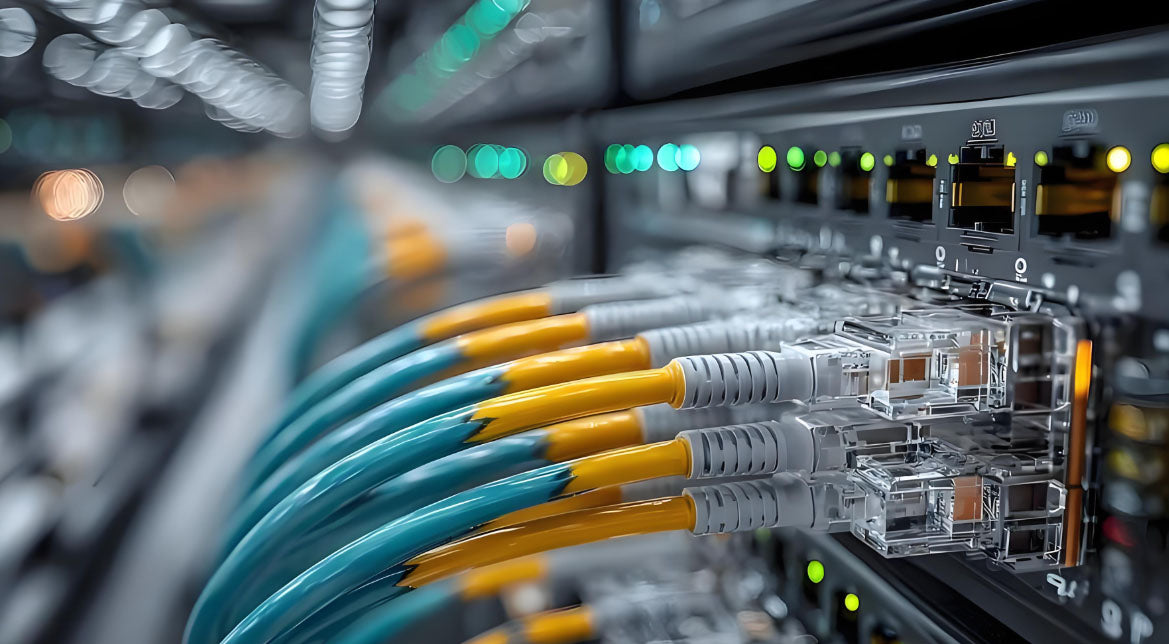
Figure 2: Cable-related issues consume valuable technician time and increase network downtime
"According to Ponemon Institute's 2023 Cost of Data Center Outages report, the average cost of unplanned infrastructure downtime reached $9,000 per minute for enterprise organizations."
Material Comparison: CCA vs Oxygen-Free Copper
| Characteristic | Oxygen-Free Copper (OFC) | Copper-Clad Aluminum (CCA) | Technical Impact |
|---|---|---|---|
| Conductivity | 100% IACS | 61% IACS | Higher signal attenuation |
| Durability | High fatigue resistance | Brittle, prone to cracking | More frequent failures |
| Heat Generation | Low resistance heating | 40% more heat generated | Performance degradation |
| POE Support | Full 90W support | Limited to 30W | Device compatibility issues |
Certification and Compliance Considerations
Standards Adherence and Validation
Certified cables undergo rigorous testing against established standards, ensuring consistent performance:
| Test Type | Standard Required | Equipment Investment | Benefit |
|---|---|---|---|
| Electrical Testing | TIA-568.2-D | $25,000+ | Performance verification |
| Mechanical Testing | IEC 61935-1 | $15,000+ | Durability assurance |
| Environmental Testing | ISO/IEC 11801 | $35,000+ | Reliability validation |
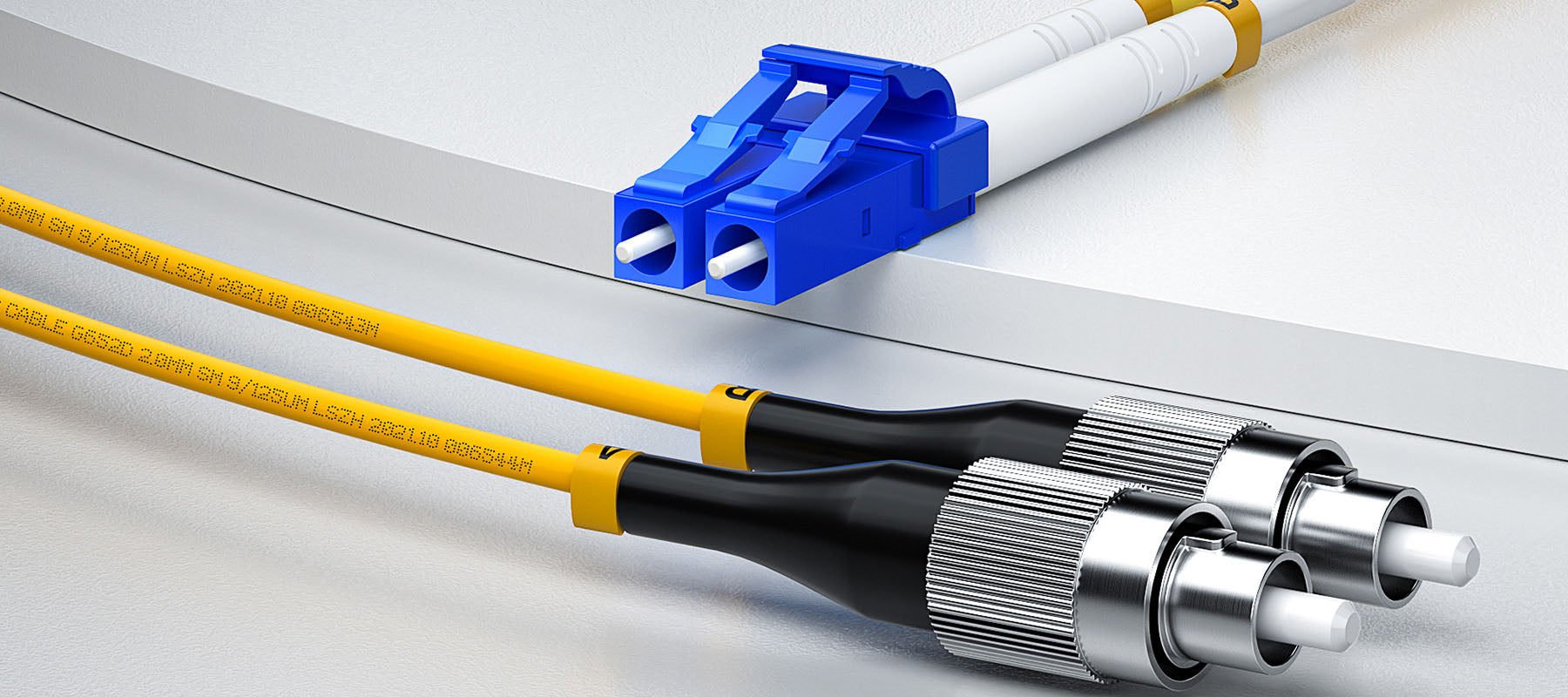
Figure 3: Comprehensive testing requires significant equipment investment that ensures cable performance
Financial Analysis: A Five-Year Perspective
The following comparison illustrates the financial impact of cable selection in a typical 500-port deployment:
| Cost Category | Economy Cables | AMPCOM Certified Cables | Cost Difference |
|---|---|---|---|
| Initial Purchase (500 ports) | $2,500 | $6,000 | +$3,500 |
| Annual Replacement (Years 2-3) | $2,500 | $0 | -$2,500 |
| Diagnostic Labor (3 incidents/year) | $4,200/year | $600/year | -$3,600/year |
| Downtime Impact (2 hours/year) | $18,000/year | $2,000/year | -$16,000/year |
| 5-Year Total Cost | $49,500 | $11,000 | -$38,500 |
"Assumptions based on industry average labor rates and incident frequency data from 150+ enterprise deployments. Quality cables demonstrate a clear total cost of ownership advantage despite higher initial investment."
Conclusion: Strategic Investment Versus Tactical Saving
Network infrastructure represents the foundation of digital operations—a foundation where marginal compromises create disproportionate risks. While premium patch cables command higher initial prices, their value manifests through predictable performance throughout extended service life, reduced operational overhead, and comprehensive risk mitigation.
The professional network architect recognizes that cable selection represents not merely a purchasing decision, but a strategic investment in network reliability, performance predictability, and operational efficiency. In an era where network performance directly correlates with organizational productivity, the true cost of connectivity extends far beyond the price tag on any individual component.
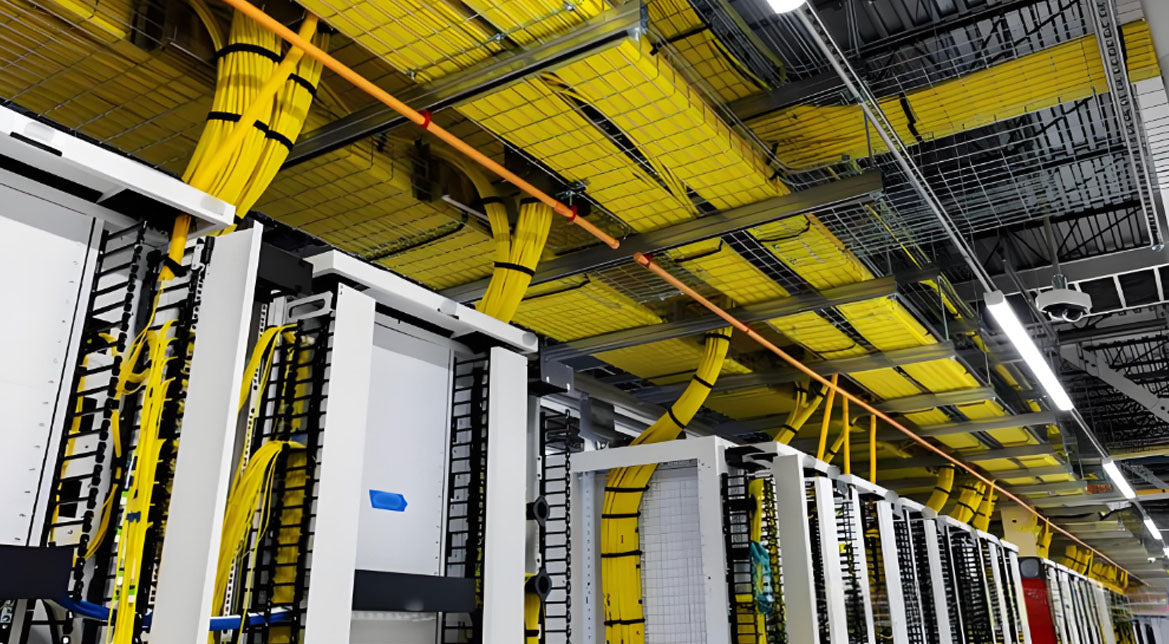
Figure 4: Quality infrastructure installation provides long-term reliability and performance consistency


